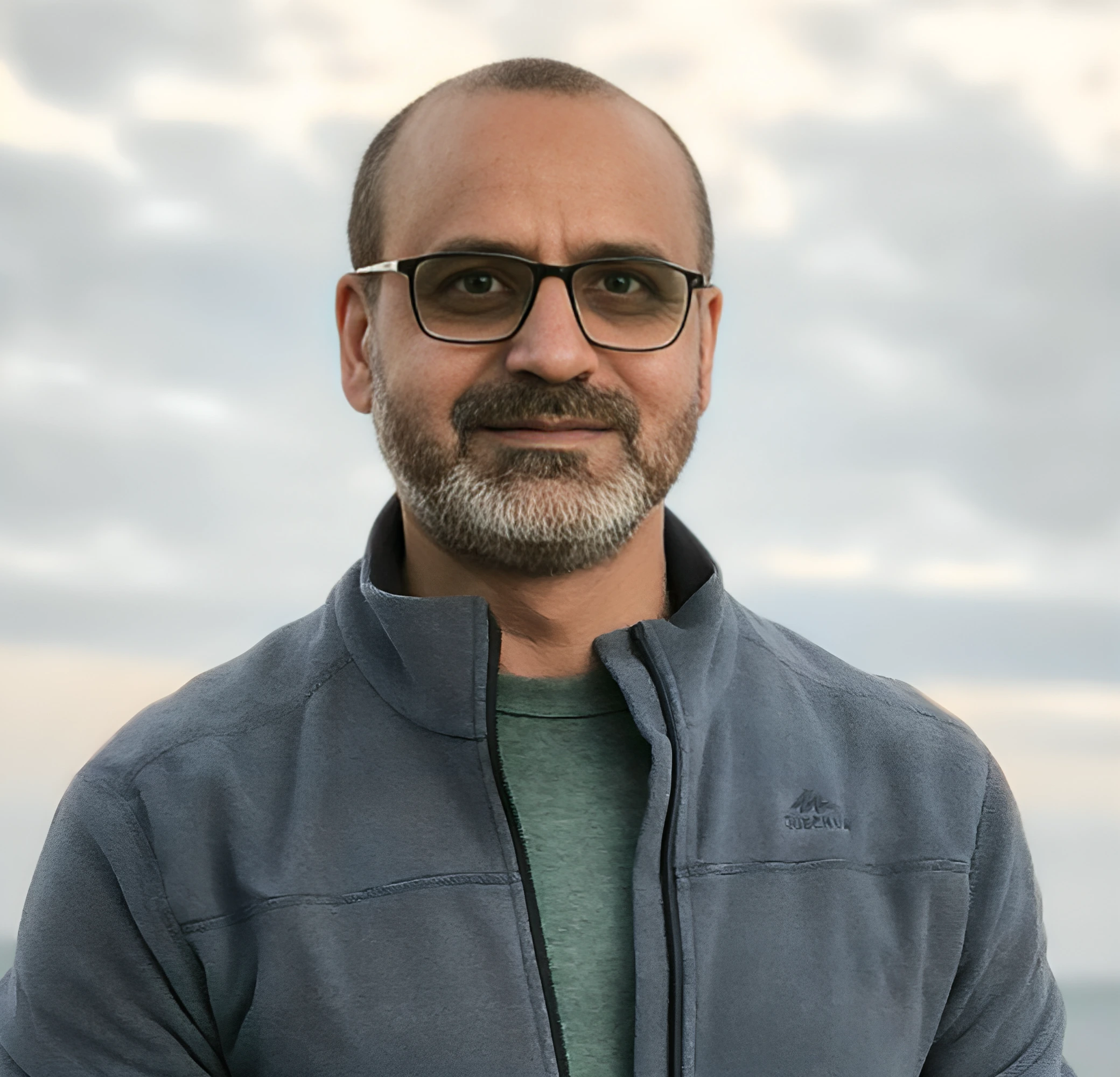
I am an evolutionary and computational biologist, fascinated by the interplay of genes, environment, and time. My research in temporal genomics, adaptation, phylogeography, and selection seeks to understand how organisms respond to environmental change—how Darwin’s insight into “descent with modification” unfolds in real populations. Much of my work involves decoding genomes across time, tracing the signatures of survival and loss, and unravelling the mysteries of hybridisation genetics. Increasingly, this means integrating population-scale and multi-omic evidence with machine learning and developing reproducible, testable scientific-AI workflows: combining sequence, annotation, environment, phenotype, and evolutionary history to reveal patterns that might otherwise remain hidden. In practice, I write scripts, build pipelines, evaluate models, and shape raw data into defensible scientific insight—turning fragments of code into narratives about resilience, chance, and transformation while keeping every conclusion accountable to biological evidence.
Equally important to me is teaching and mentoring. My journey as an educator spans more than two decades, from teaching basic college biology to guiding students through the complexities of ecological and evolutionary genomics. Helping students see connections between data and life is one of the most rewarding parts of my career. I see teaching as a way of opening doors: to curiosity, to critical thinking, and to the joy of discovery.
Beyond science, I draw inspiration from literature, history, and the worlds we build. The psychological depth of Dostoevsky, the vast social panoramas of Tolstoy, the magical realism of Márquez and Grass, and the dramatic flair of Dumas all shape how I think about complexity, transformation, and endurance. Just as genomes are living archives of struggle and adaptation, so too are cities, landscapes, and stories—layered with memory, resilience, and change.
Outside of research and teaching, I find joy in travel, in wandering through ancient streets, hiking wild trails, or noticing the quiet poetry of everyday life. Whether I am analysing genetic data, guiding students, reading a novel, or exploring a place shaped by centuries, I am drawn to the same questions: how change is inscribed in structure, how diversity emerges, and how the stories—scientific and personal—that we tell shape who we are.